

Research reveals that visitors form opinions about your eCommerce site in just 50 milliseconds, making strong website design essential for keeping customers engaged. As more businesses transition from physical stores to online platforms, creating an effective digital storefront has never been more important. Success depends on getting the fundamentals right—intuitive navigation, appealing aesthetics, and seamless accessibility. Whether you’re launching your first online store or refreshing an existing one, understanding key design principles will help you build a site that converts visitors into loyal customers and drives sustainable revenue growth.
- 5 Essential Features of a Great Ecommerce Website
- 25 Top Ecommerce Website Designs with Key Takeaways
- 1. Allbirds
- 2. Nike
- 3. MVMT
- 4. Kylie Cosmetics
- 5. Beardbrand
- 6. Pura Vida Bracelets
- 7. Hardgraft
- 8. Death Wish Coffee
- 9. Chubbies
- 10. Topo Designs
- 11. Crate & Barrel
- 12. Verve Coffee Roasters
- 13. KITH
- 14. Partake Foods
- 15. Almond Surfboards
- 16. Boba Love
- 17. Zenni
- 18. Vitra
- 19. Satya Organic
- 20. Thesus
- 21. Welly
- 22. KETNIPZ
- 23. Black Star Pastry’s
- 24. Bite Toothpaste Bits
- 25. Make Architects
- 8 Essential Ecommerce Website Design Tips
- Conclusion
5 Essential Features of a Great Ecommerce Website
Successful ecommerce sites prioritize user experience above all else. Design transcends mere visual appeal—it encompasses the entire customer journey. When building or updating your online store, focus on creating seamless interactions that guide shoppers from browsing through purchase completion.
1. Build Trust with Security and Transparency
Earning customer trust is the foundation of successful ecommerce, especially when shoppers encounter your brand for the first time. Without established credibility, potential buyers need reassurance before committing to a purchase.
Start by making your business feel legitimate and accessible. Display clear contact details—email, phone number, and physical address—on your website. An informative about page helps customers understand they’re dealing with real people, not a faceless entity.
Security is non-negotiable in today’s digital landscape. Over 40% of shoppers abandon brands after a data breach, making protective measures essential. Invest in an SSL certificate and implement secure payment gateway systems. Showcase security badges prominently to communicate your commitment to protecting customer information.
Transparency builds confidence. Clearly outline your return policy, as this actually reduces cart abandonment while increasing conversions. When customers know they can return items hassle-free, they’re more likely to complete purchases.
Be upfront about data collection practices. Link to comprehensive privacy policies in your website footer and ensure compliance with regulations like GDPR for international audiences. Displaying customer reviews and testimonials further validates your brand’s reliability.
Remember: trust isn’t just about preventing problems—it’s about proactively demonstrating your dedication to customer safety and satisfaction at every touchpoint.
2. Easy Navigation and User-Friendly Flow
Creating a seamless browsing experience starts with intuitive website navigation. Your ecommerce site should guide customers effortlessly to their desired products while boosting your search engine visibility.
Begin with a streamlined top-level menu featuring straightforward labels like Shop, About Us, Bestsellers, and Contact Us. Avoid creative naming that confuses visitors—clarity always wins. For stores with extensive catalogs, implement mega menus that display multiple categories simultaneously, allowing shoppers to explore options at a glance.
Position your search bar prominently at the top-right or top-center, and enhance functionality with autocomplete suggestions for faster product discovery. Incorporate filtering options by price, color, and sorting preferences to refine search results.
Your footer serves as a valuable hub for secondary information including shipping policies, return procedures, and terms of service. Additionally, breadcrumb trails help users track their location within your site while improving Google’s understanding of your structure.
3. Responsive Mobile-First Design
Mobile commerce is no longer optional—it’s essential. With Americans spending 5 hours and 16 minutes daily on their phones (a 14% jump from 2024), your ecommerce store must deliver seamless mobile experiences.
The numbers speak volumes: nearly 80% of shoppers complete purchases on mobile devices. Beyond customer experience, Google rewards mobile-optimized sites with better search rankings, making responsive design critical for visibility and conversions.
Start by selecting a responsive theme that automatically adapts across smartphones, tablets, and desktops. Before committing, test your chosen template using Google’s Mobile-Friendly Test tool to verify its performance.
Pay special attention to touchscreen optimization—ensure buttons, forms, and menus have appropriate sizing and spacing. Finally, personally navigate your checkout process on mobile. If the experience frustrates you, it will undoubtedly frustrate your customers.
4. Strong Visual Design and Branding
Success in ecommerce hinges on two interconnected pillars: compelling visual design and consistent branding.
Your online store’s first impression forms in milliseconds, making visual excellence non-negotiable. Start with professional product photography that showcases items from multiple angles against clean backgrounds. Complement these with lifestyle images that demonstrate your products in real-world contexts while reinforcing your brand’s aesthetic identity.
Strategic color choices do more than beautify—they evoke emotions, guide navigation, and improve accessibility. Typography matters equally. Limit yourself to two complementary fonts: one for headers and another for body text. This creates visual hierarchy while maintaining clarity.
Beyond aesthetics, psychological design principles subtly influence customer behavior, directing attention to key elements through strategic placement and styling.
However, stunning visuals alone won’t build lasting recognition. Brand consistency across all touchpoints is essential, as research indicates customers need five to seven impressions before remembering a brand.
Establish clear business goals and values from the outset. Identify your target audience during website development—this shapes everything from messaging to design choices. Study competitors to carve out unique positioning. Whether you embrace minimalism or bold colors like Mack & Pouya, ensure your visual elements, voice, and values remain uniform across every customer interaction.
5. Smooth Cart and Checkout Experience
Complicated checkout processes drive customers away before they complete purchases. To prevent cart abandonment, streamlining your checkout flow is essential for increasing conversions and enhancing user satisfaction.
Start by positioning your cart icon in the upper-right corner where shoppers naturally look. Make it interactive—change its color and show item quantities as customers add products, providing clear visual confirmation of their selections.
Transparency matters throughout the purchase journey. If your checkout spans multiple pages, incorporate a progress indicator so customers know exactly where they stand. This reduces anxiety and keeps them moving forward. Alternatively, consolidate everything onto a single checkout page to eliminate unnecessary steps entirely.
Consider implementing detailed cart previews through pop-ups, allowing shoppers to review their selections without navigating away. These small enhancements create a frictionless experience that encourages completion rather than abandonment.
25 Top Ecommerce Website Designs with Key Takeaways
Exceptional ecommerce sites blend clean aesthetics with strategic functionality. These examples showcase how effective digital commerce platforms communicate brand identity while delivering user-friendly experiences that drive online retail success.
1. Allbirds
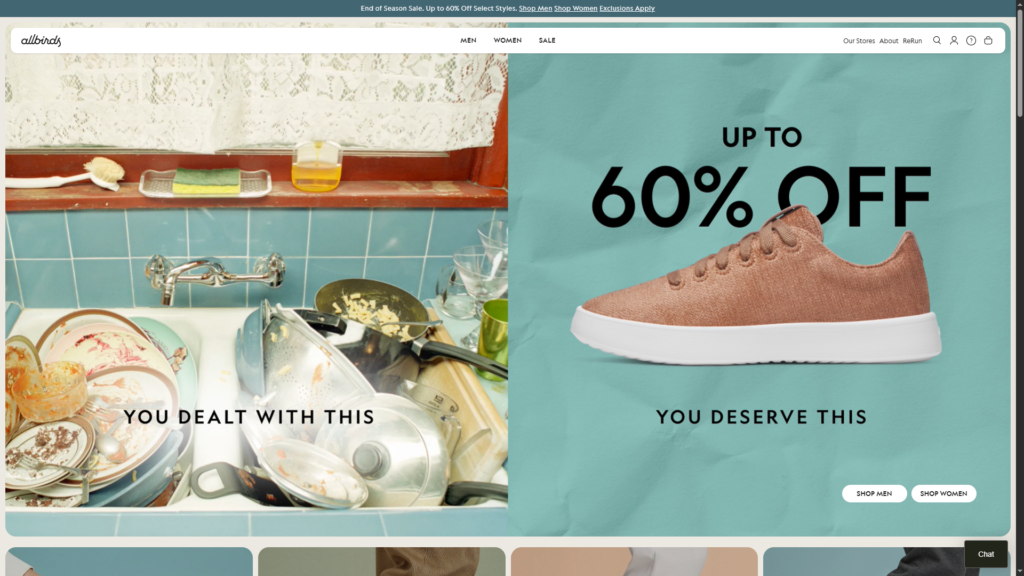
Allbirds exemplifies how ecommerce brands can authentically connect with their audience through strategic design and messaging. The sustainable footwear and apparel retailer establishes credibility by prominently featuring its B Corporation status and maintaining a transparency-focused website section devoted entirely to environmental responsibility.
Their homepage efficiently communicates brand identity through warm photography and concise messaging about eco-friendly manufacturing processes. Product pages go beyond basic descriptions, offering comprehensive material breakdowns alongside high-quality visuals and video content that help shoppers make confident purchases.
Customer reviews are strategically positioned beneath product details, reinforcing purchasing confidence. Smart product recommendation placements throughout checkout flows and category pages boost conversion opportunities.
For ecommerce businesses, Allbirds demonstrates that aligning visual identity with core values, providing detailed product information, and leveraging keyword-rich descriptions creates both customer trust and improved search visibility.
2. Nike
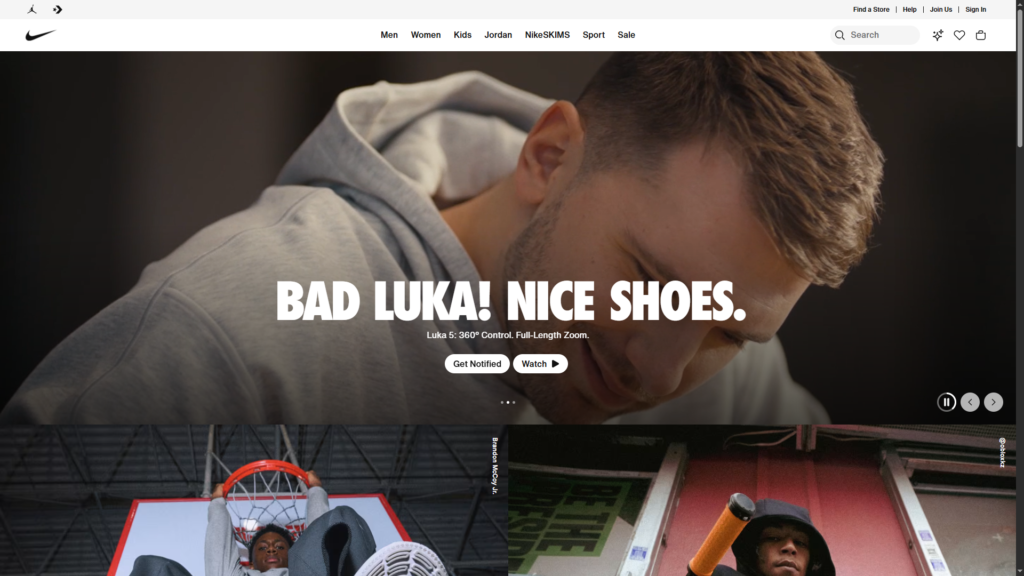
Nike’s ecommerce platform exemplifies how strategic simplicity drives conversions. The brand embraces a minimalist aesthetic, leveraging generous white space and neutral backgrounds that allow products to command attention. This deliberate restraint eliminates visual clutter, guiding shoppers seamlessly through their purchasing journey.
The store’s black-and-white color scheme reinforces focus on merchandise rather than competing design elements. Large, striking product photography takes center stage, creating an immersive browsing experience.
Recognizing that friction kills sales, Nike addresses a critical pain point: approximately 23% of shoppers abandon carts when forced to create accounts. Their guest checkout feature removes this barrier entirely, enabling faster transactions and reducing drop-off rates.
Additionally, Nike’s robust helpdesk empowers customers with self-service resources, minimizing wait times for support. This combination of streamlined design, frictionless checkout, and accessible information positions Nike as a masterclass in customer-centric ecommerce optimization.
3. MVMT
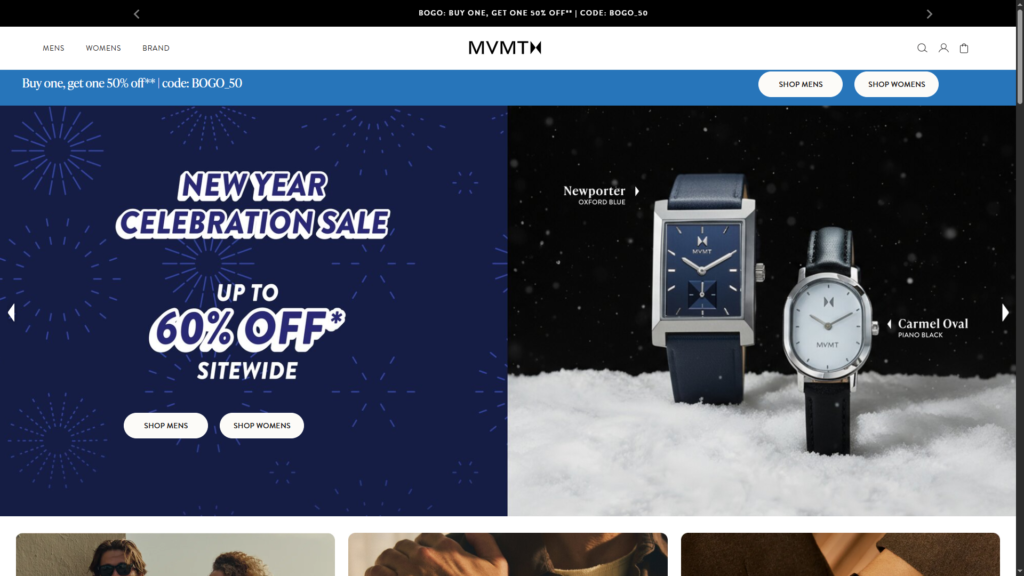
MVMT exemplifies how ecommerce brands can align design with core values. Their philosophy—accessible style for everyone—translates into a visually refined website showcasing affordable watches, jewelry, and eyewear. Strategic homepage features like curated designer partnerships and a dynamic “Trending Now” section help shoppers discover fresh products instantly, proving that premium aesthetics and budget-friendly pricing can coexist seamlessly online.
4. Kylie Cosmetics
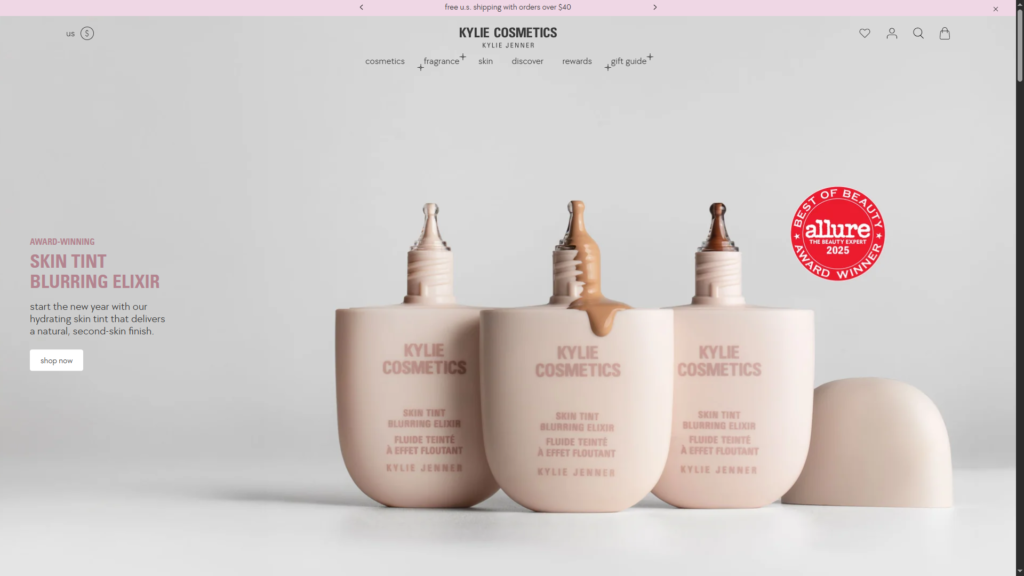
The brand’s website leverages celebrity influence effectively by prominently featuring Kylie Jenner on its homepage. This strategic placement establishes instant credibility with their demographic. The site’s design philosophy emphasizes clarity through minimalist product photography against neutral backdrops. An engaging interactive element enhances user experience: hovering reveals real-world application demonstrations. This combination of aspirational branding and functional design creates an immersive shopping environment that builds consumer confidence while showcasing merchandise authenticity through contextual usage scenarios.
5. Beardbrand
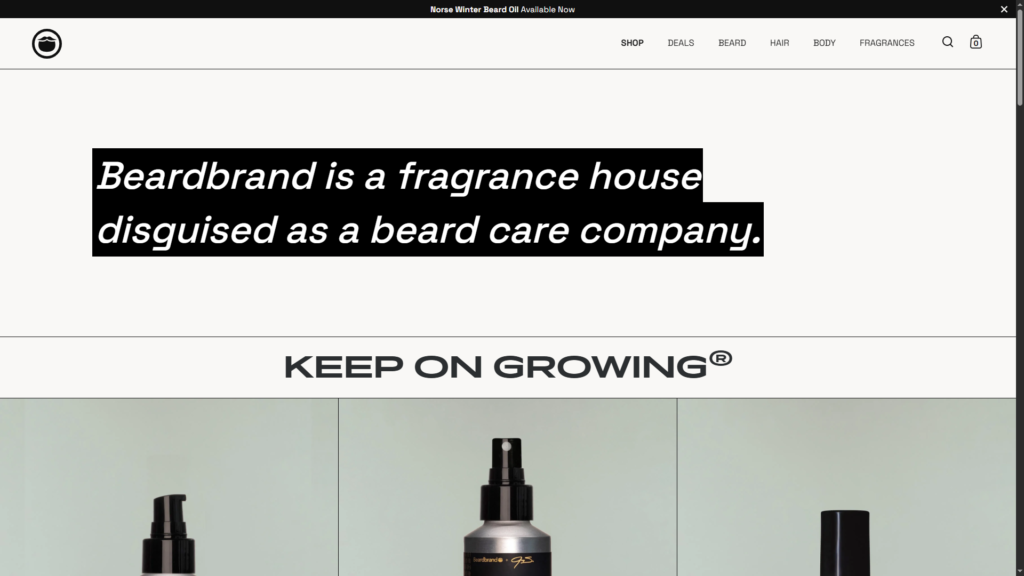
Beardbrand’s website exemplifies strategic content marketing in ecommerce. Through interactive quizzes, founder videos, and compelling blog articles, the brand creates an immersive experience that keeps visitors engaged. This content-rich strategy builds authentic connections with customers, encouraging them to explore products and ultimately make purchases.
6. Pura Vida Bracelets
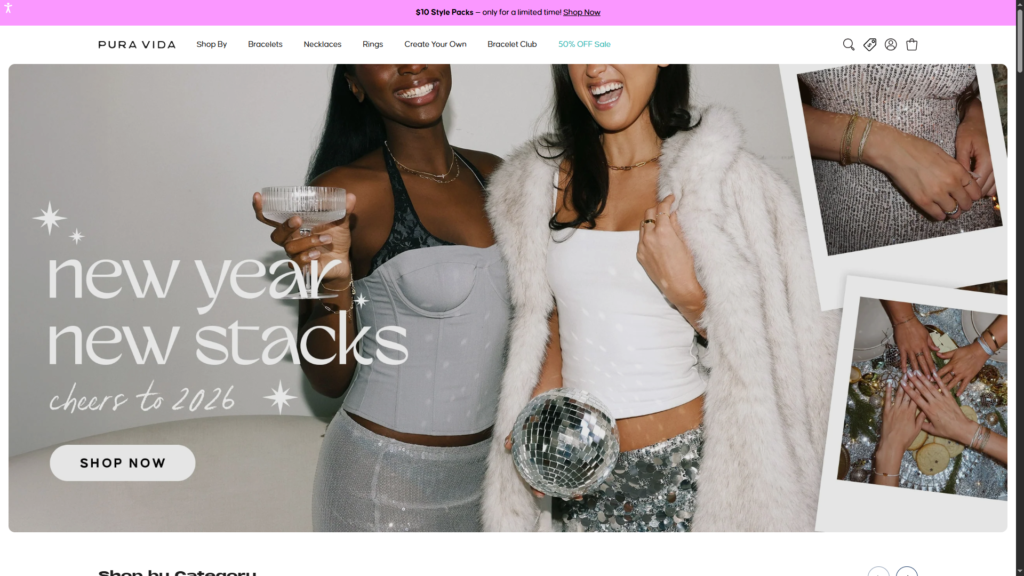
Building customer confidence in online jewelry sales requires authenticity. This brand succeeds by showcasing the artisanal, customized nature of their pieces. Their website strategically displays diverse photography and emphasizes values of connection and belonging. Thousands of verified buyer testimonials create credibility, while features in publications like Teen Vogue and Cosmopolitan validate their appeal to younger shoppers seeking meaningful accessories.
7. Hardgraft
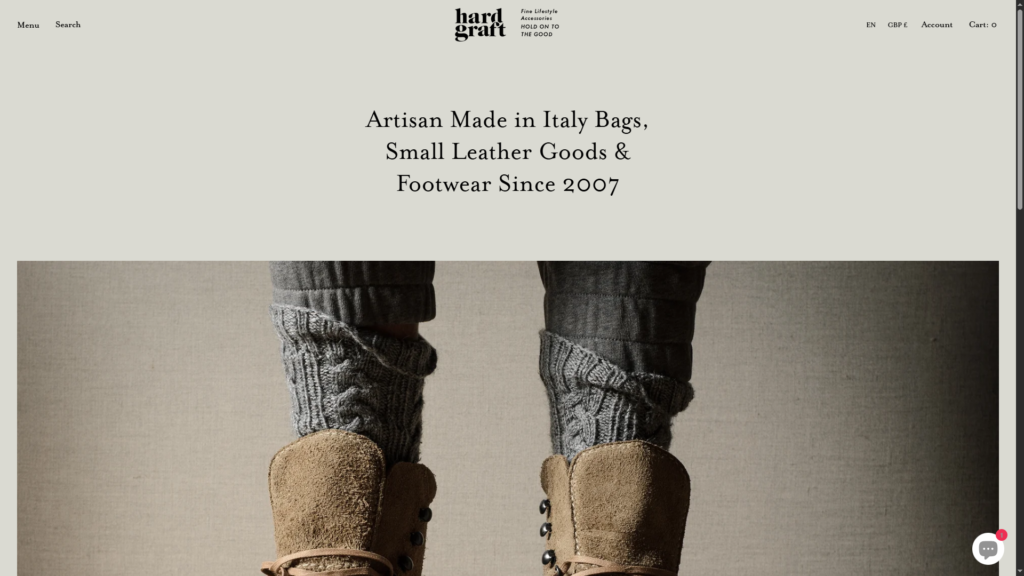
Hardgraft’s online store exemplifies how luxury retailers can connect with discerning customers. By showcasing their core values upfront, they immediately establish brand identity. Their product photography stands out—sharp, striking visuals that effectively communicate key features and benefits. This attention to detail builds consumer confidence. Combined with secure global delivery options, Hardgraft successfully attracts an international clientele seeking premium, authentically crafted goods with distinctive character.
8. Death Wish Coffee
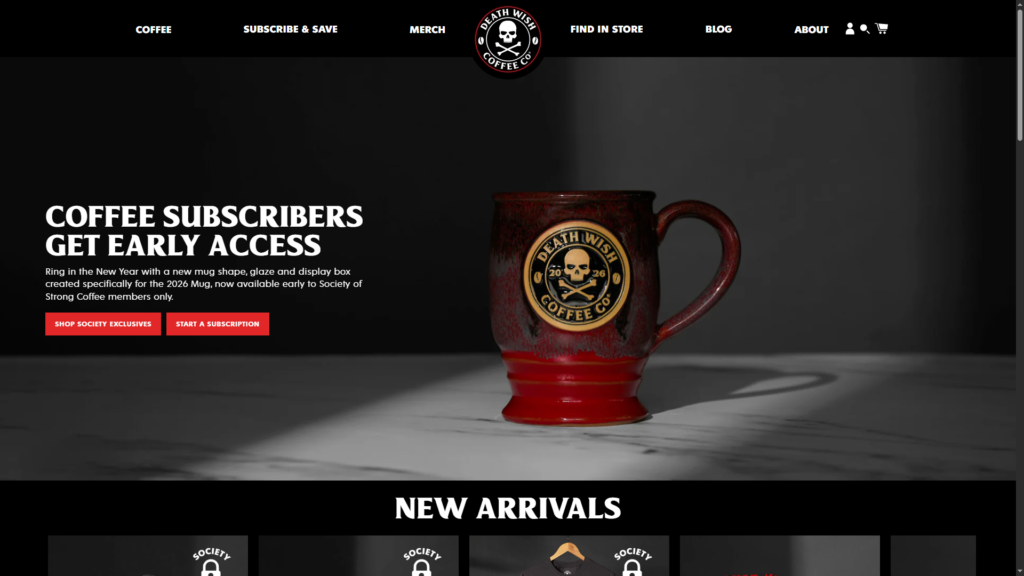
When visitors arrive at Death Wish Coffee’s online store, they’re immediately immersed in a fearless brand experience. The company confidently markets itself as selling the world’s most potent coffee, backing this claim with striking visual elements throughout their digital storefront.
Their red-dominated design creates an energizing atmosphere that mirrors the product’s intensity. Understanding that customers arrive with purchase intent, Death Wish strategically positions product options—ground beans, whole beans, and coffee cups—prominently on the homepage. This direct approach eliminates unnecessary browsing, connecting shoppers with their desired products instantly and demonstrating how powerful branding combined with intuitive navigation drives ecommerce success.
9. Chubbies
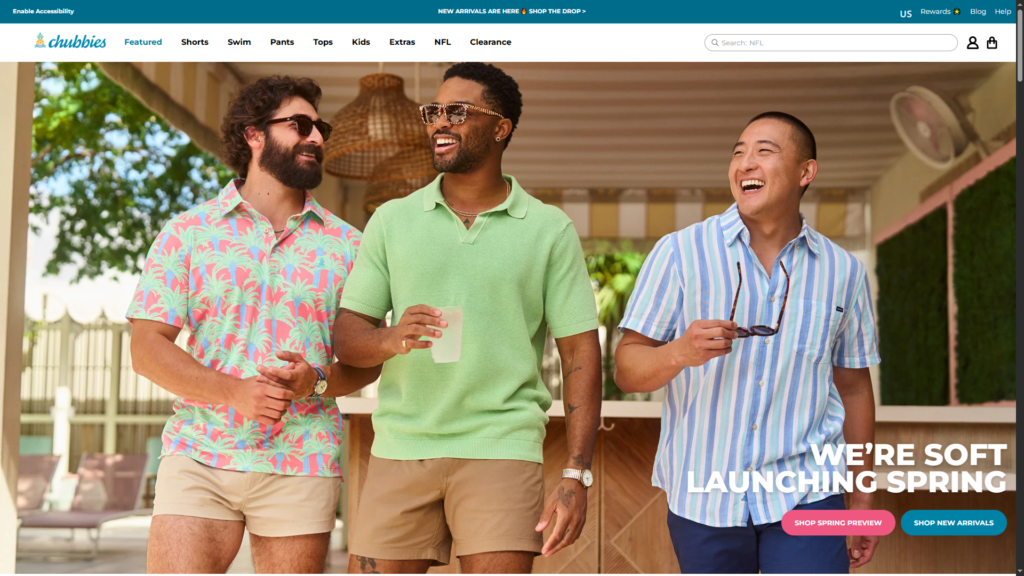
Chubbies showcases its brand personality through compelling product imagery and clever messaging. Their unique sidebar menu streamlines navigation, helping customers locate items quickly and efficiently compared to traditional ecommerce layouts.
10. Topo Designs
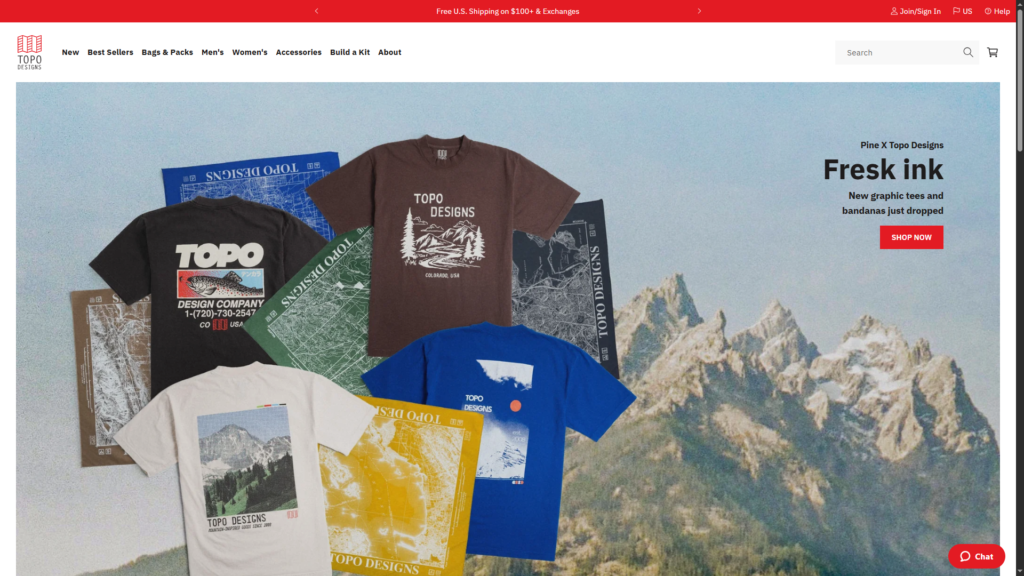
Topo Designs captures attention through strategic visual storytelling, showcasing their outerwear in adventurous travel settings that speak directly to their audience. What sets them apart are distinctive backgrounds that differentiate their brand identity. Smart promotional tactics drive conversions—highlighting current sales prominently while encouraging higher cart values through free shipping thresholds. Additionally, they build customer loyalty by offering exclusive newsletter perks, creating an engaged community around their products and fostering repeat business through meaningful incentives.
11. Crate & Barrel
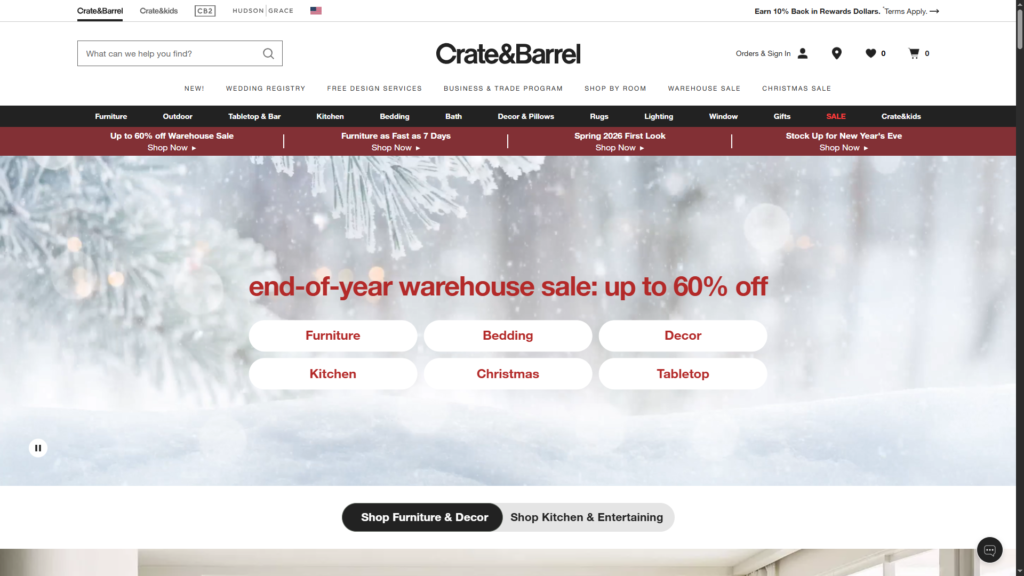
Since its establishment in 1962, Crate & Barrel has built a reputation for delivering contemporary, high-quality home furnishings and essentials. Their digital storefront mirrors this sophisticated identity through thoughtful design choices that prioritize user experience.
The website’s minimalist aesthetic creates an inviting shopping environment where functionality meets form. Strategic use of a mega menu system allows customers to explore extensive product ranges without feeling overwhelmed. Visual navigation proves particularly effective—featured product imagery within menu categories helps shoppers envision items before clicking through.
Navigation tools like breadcrumb trails keep users oriented as they browse deeper into product hierarchies, while robust filtering capabilities enable precise searches based on price points, materials, and specific features.
For retailers managing diverse product catalogs, Crate & Barrel demonstrates how combining intuitive navigation architecture with comprehensive filtering systems creates seamless discovery paths. These elements work together to reduce friction in the shopping journey, helping customers locate exactly what they need efficiently.
12. Verve Coffee Roasters
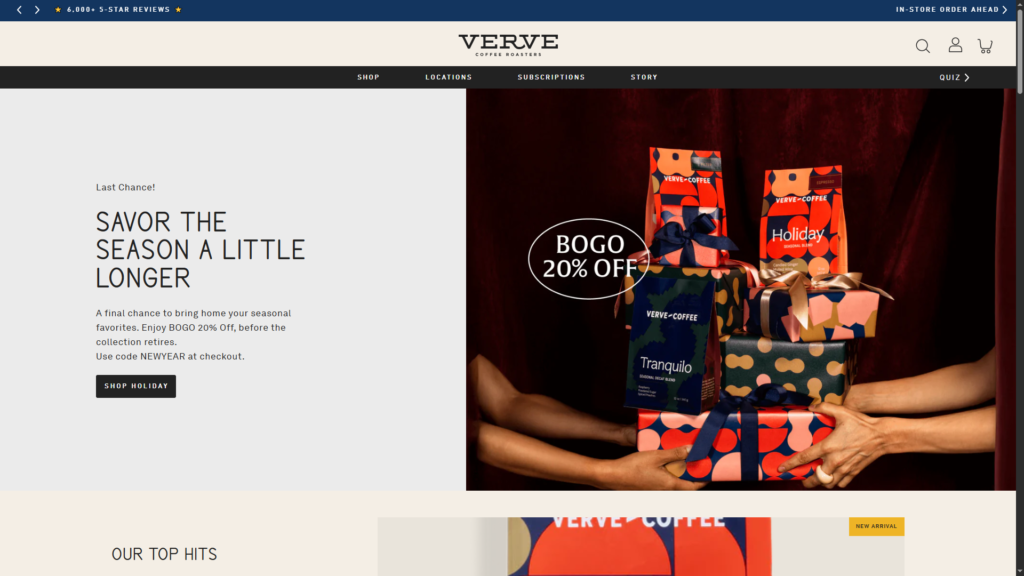
Verve Coffee Roasters strengthens credibility across its digital storefront by showcasing customer testimonials. The specialty coffee brand combines compelling descriptive text with attractive visuals to engage visitors, highlighting offerings as “classic and delicious” while using vivid phrases like “the sweetness of golden marmalade” to captivate buyers.
13. KITH
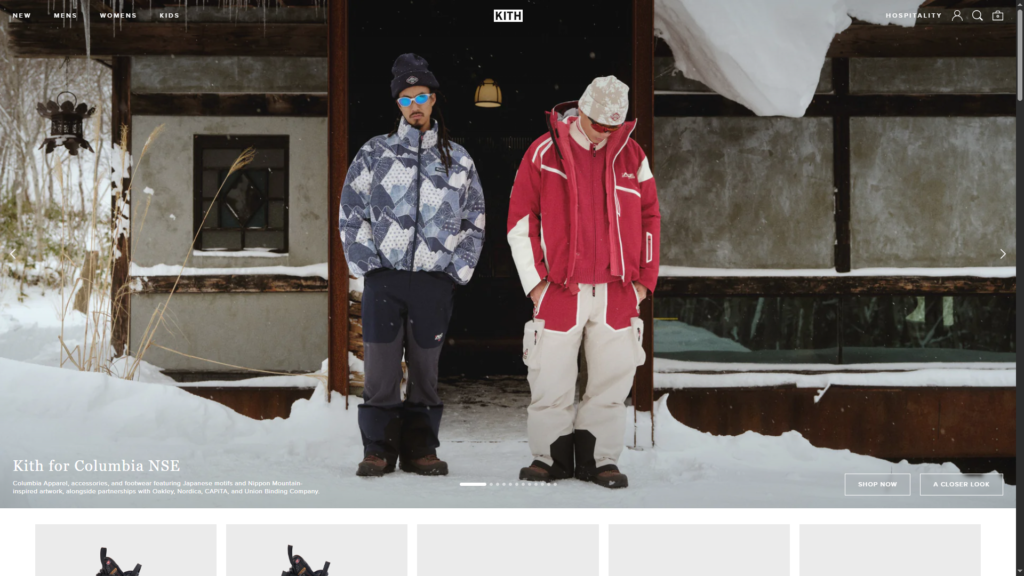
KITH’s website immediately captures attention with its polished aesthetic. The homepage balances minimalist design with engaging elements like lookbooks, films, and journals. Despite offering an extensive product range, the navigation remains intuitive. Categories are thoughtfully organized, enabling visitors to browse effortlessly and discover items quickly, creating an enjoyable shopping experience.
14. Partake Foods
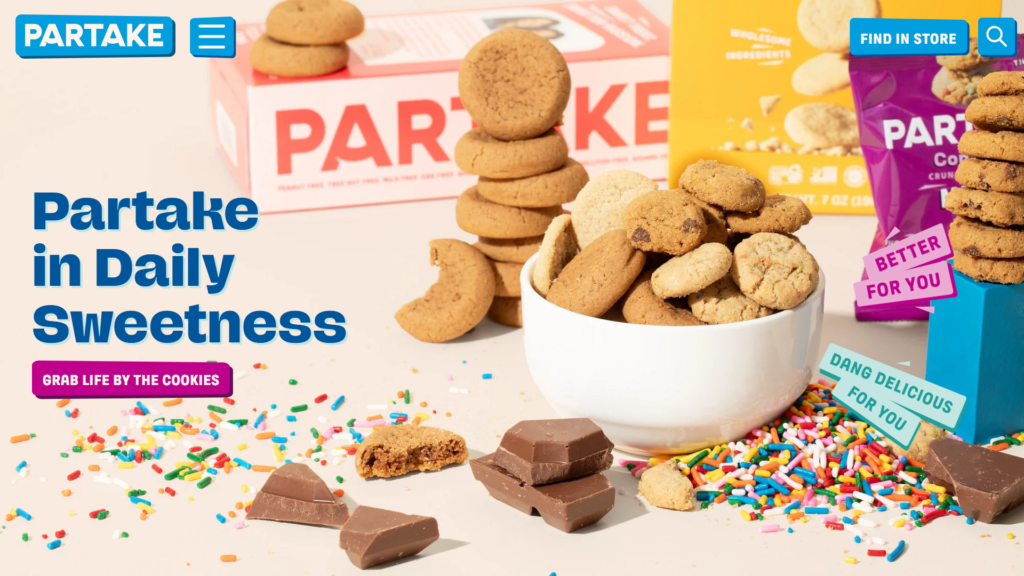
Partake’s website immediately communicates its value proposition to health-conscious shoppers. The homepage prominently highlights key benefits: products are gluten-free, allergy-friendly, and school-safe. Trust-building elements are woven throughout—customer testimonials showcase positive experiences, while media coverage adds credibility. The footer strategically displays allergy certifications, reassuring visitors about safety standards and reinforcing the brand’s commitment to inclusive, worry-free snacking for families with dietary restrictions.
15. Almond Surfboards
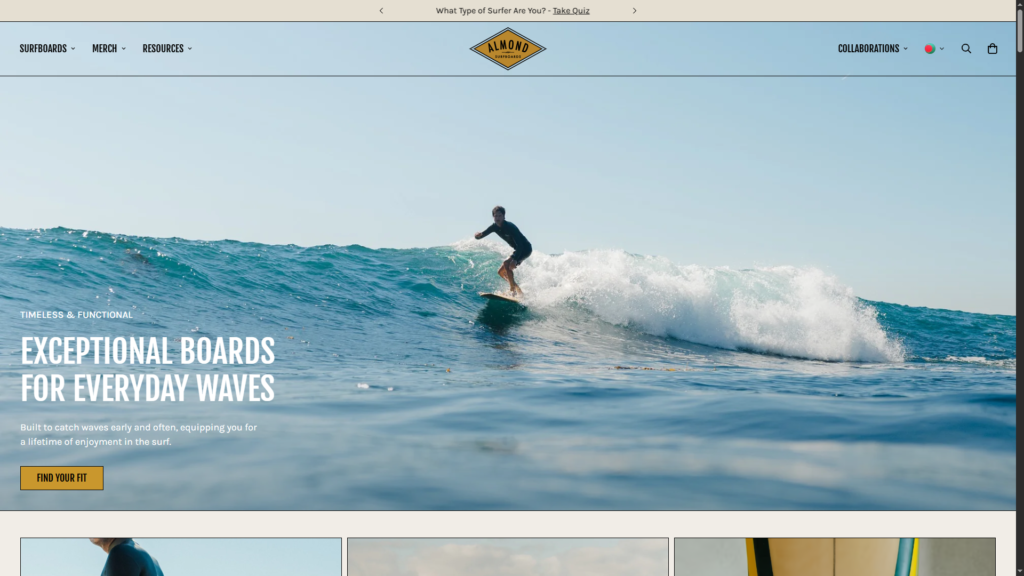
Almond Surfboards demonstrates how thoughtful design elevates an online retail experience. Their website employs a carefully chosen palette of muted, warm colors that evoke coastal living while maintaining sophistication. What distinguishes this brand is its artistic product photography that goes beyond simple display—it sells a dream. The lifestyle imagery creates such strong appeal that visitors find themselves drawn to branded merchandise like apparel and décor, even without needing the actual surfboards. This approach transforms casual browsers into devoted customers.
16. Boba Love
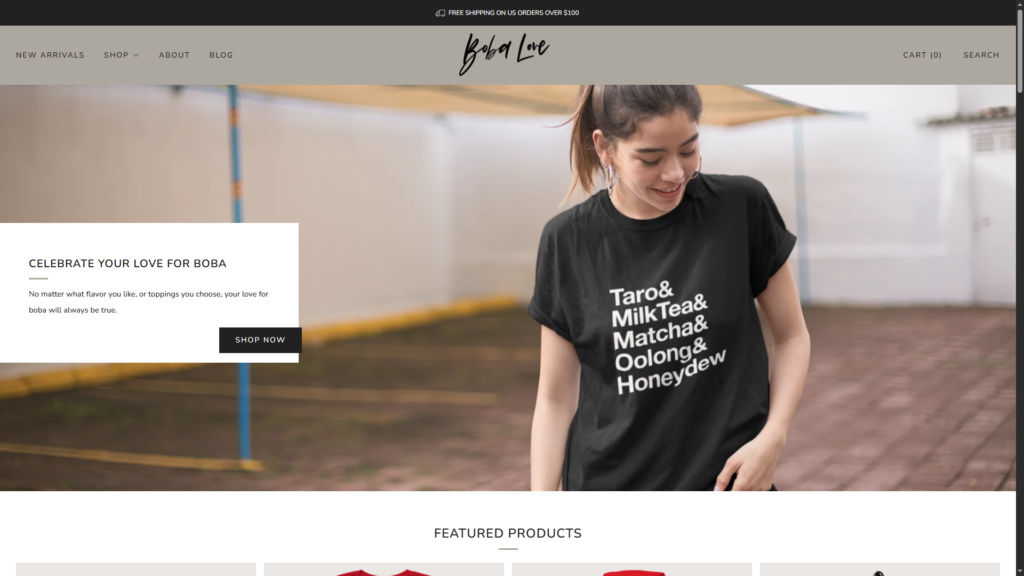
This small ecommerce brand excels at converting browsers into buyers. Through strategic lifestyle imagery and compelling product shots, it establishes clear brand identity while showcasing its Boba tea-inspired collection. The streamlined product layout eliminates confusion, creating an intuitive path to purchase. Every design element purposefully encourages visitor action, demonstrating how thoughtful presentation transforms casual scrolling into confident buying decisions.
17. Zenni
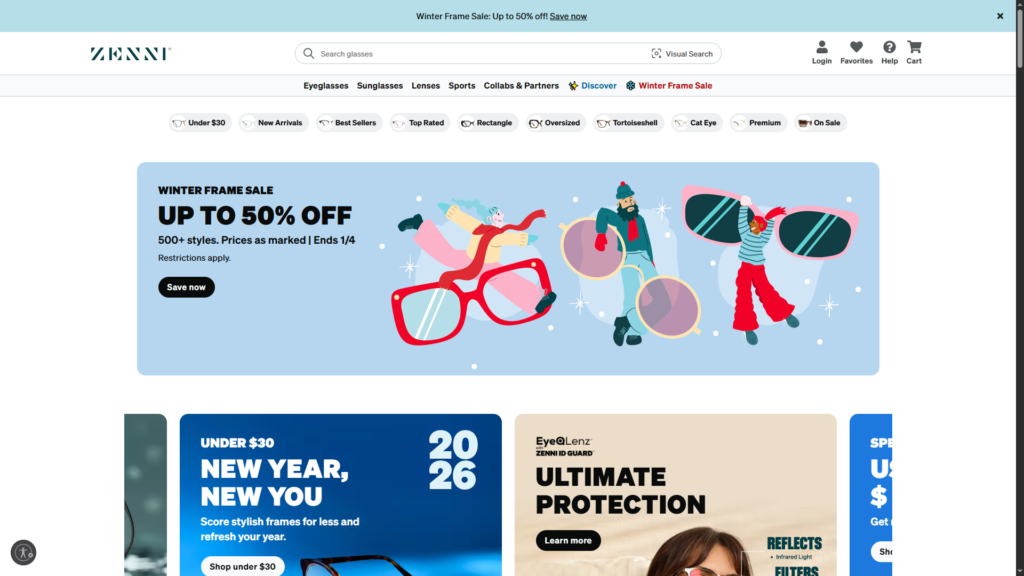
Zenni has revolutionized the eyewear shopping experience by leveraging cutting-edge technology in the B2C space. At the heart of their innovation is an augmented reality-powered virtual try-on feature, allowing customers to visualize how frames complement their face using their smartphone or computer before committing to a purchase.
The website’s user experience is thoughtfully designed with accessibility in mind. Their homepage showcases comprehensive product categories—from protective eyewear to reading glasses—eliminating unnecessary navigation steps for visitors exploring their options.
The search functionality goes beyond basic input fields. Zenni implements an intelligent autocomplete system that pairs text suggestions with relevant product images, streamlining the discovery process when customers search for specific categories like children’s eyewear.
This approach offers valuable lessons for fashion and accessory retailers: virtual try-on technology bridges the tactile gap inherent in online shopping, helping hesitant customers make confident purchasing decisions remotely.
18. Vitra
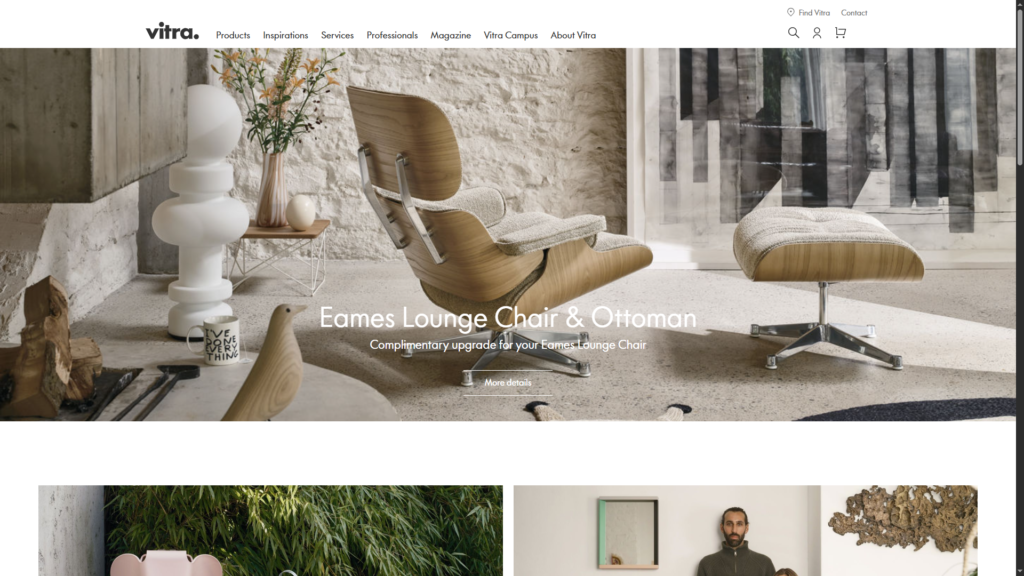
Swiss furniture brand Vitra demonstrates how thoughtful design elements can transform the online shopping experience for both commercial and residential customers.
The company’s website strategically segments navigation between professionals and homeowners, ensuring each visitor finds relevant products quickly. Interactive homepage images serve as direct shopping portals, streamlining the purchase journey.
Vitra’s standout feature is the “Find My Vitra” quiz, which guides customers through selecting their ideal office chair by asking targeted questions. This tool addresses a common frustration: choice overload when buying furniture online.
The brand also implements shoppable editorial photography through its “Shop the Look” feature, allowing visitors to add items directly from styled images to their wishlist. Even the loading experience receives attention, with progress illustrations keeping users engaged during page transitions.
These innovations highlight an essential ecommerce principle: identify your customers’ obstacles and build features that remove them.
19. Satya Organic
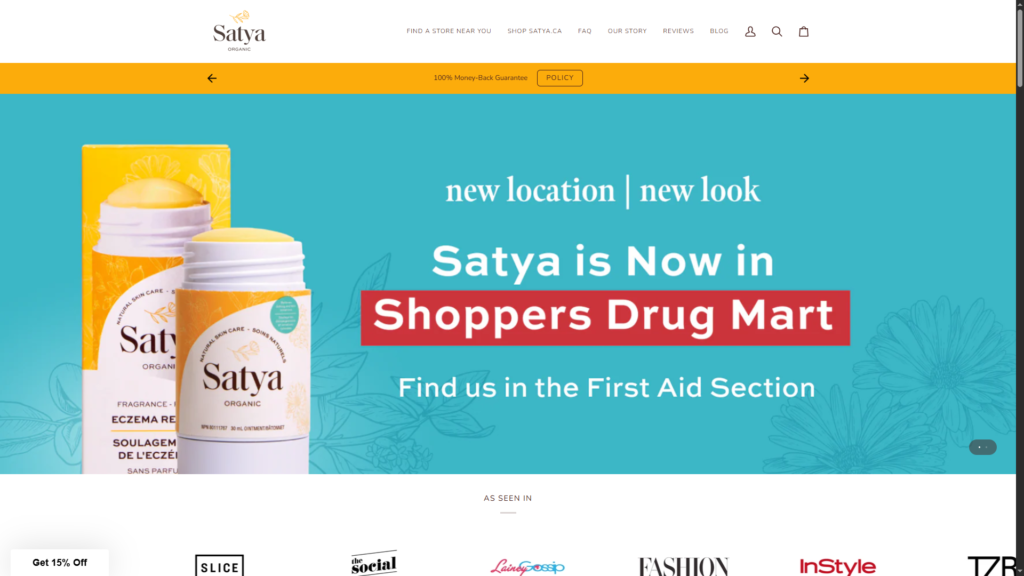
Satya Organic’s website immediately communicates its values through thoughtful design choices. Earth-inspired colors welcome visitors seeking natural skincare solutions. The brand strategically showcases its credentials in the footer—USDA Organic certification, cruelty-free practices, fragrance-free formulations, and Indigenous ownership. Every design element reinforces their commitment to plant-based, ethical beauty products that resonate with conscious consumers.
20. Thesus
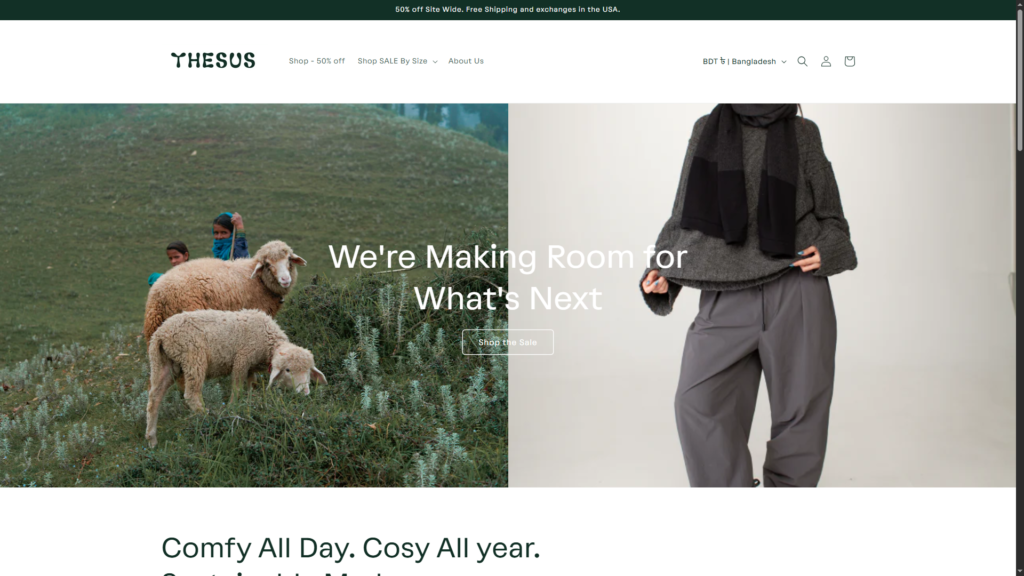
Thesus, previously known as Alice + Whittles, excels at building customer confidence in online shopping. The sustainable footwear brand showcases transparent shipping policies and flexible installment payments for budget-conscious buyers. Their homepage strategically features exceptional customer service resources, including comprehensive sizing guides and straightforward return procedures. This approach eliminates shopping hesitations, creating a seamless purchasing journey that prioritizes convenience and trust above all else.
21. Welly
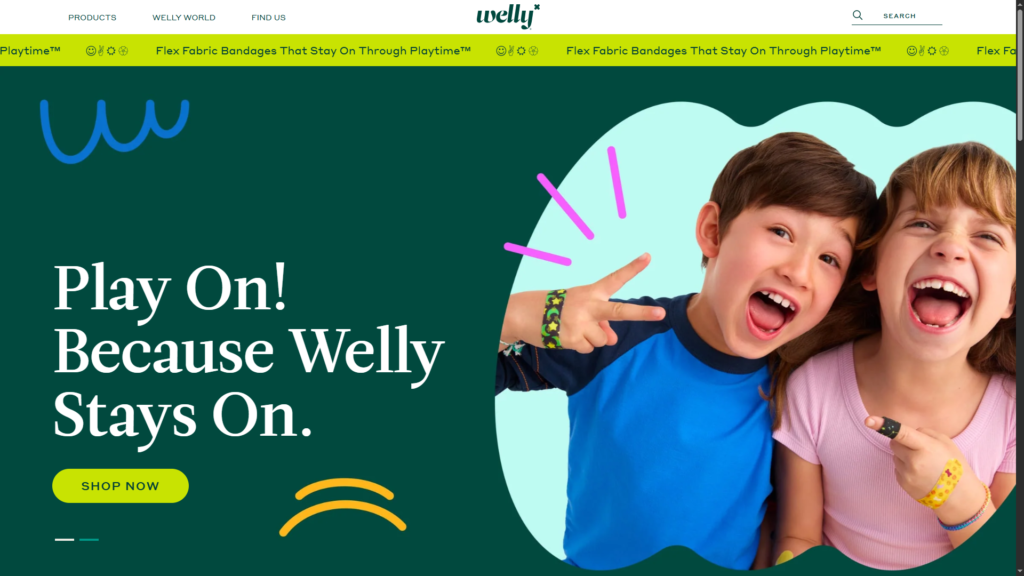
Welly transformed first-aid into something playful. Their vibrant site features cheerful messaging and accessible bandage styles perfect for children. The design balances eye-catching elements with simplicity—no overwhelming chaos. Convenient packages showcase their personality, while prominent shopping prompts guide visitors smoothly toward purchases, proving medical supplies needn’t be boring.
22. KETNIPZ
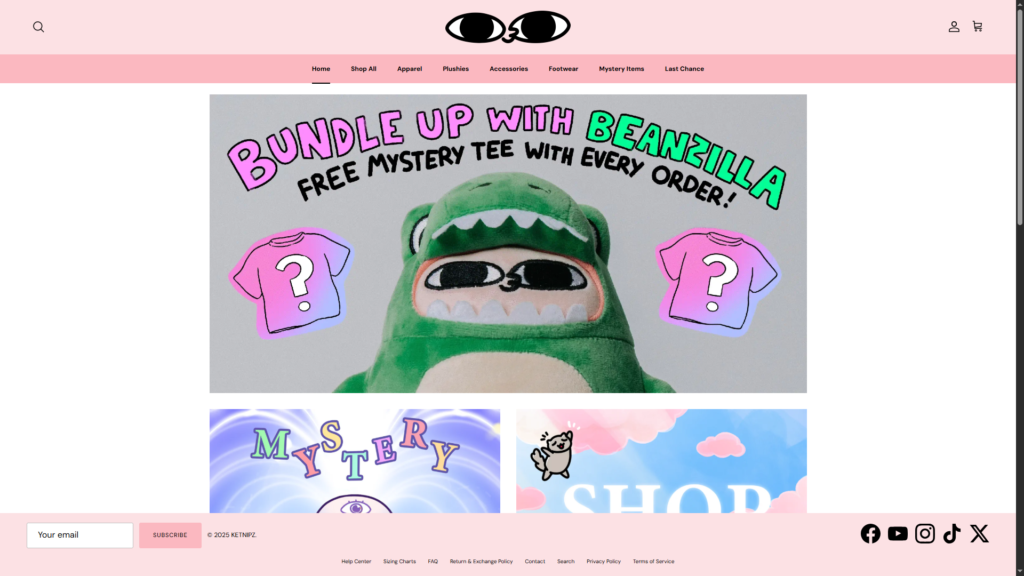
Harry Hambley transformed his Instagram comic into a thriving brand empire through Ketnipz. The beloved character Bean has achieved global recognition, appearing on street murals worldwide, across digital platforms, and as permanent ink on devoted followers. The online store captures Bean’s playful spirit through vibrant design elements, custom typography, and strategic seasonal refreshes that synchronize merchandise drops with holiday celebrations.
23. Black Star Pastry’s
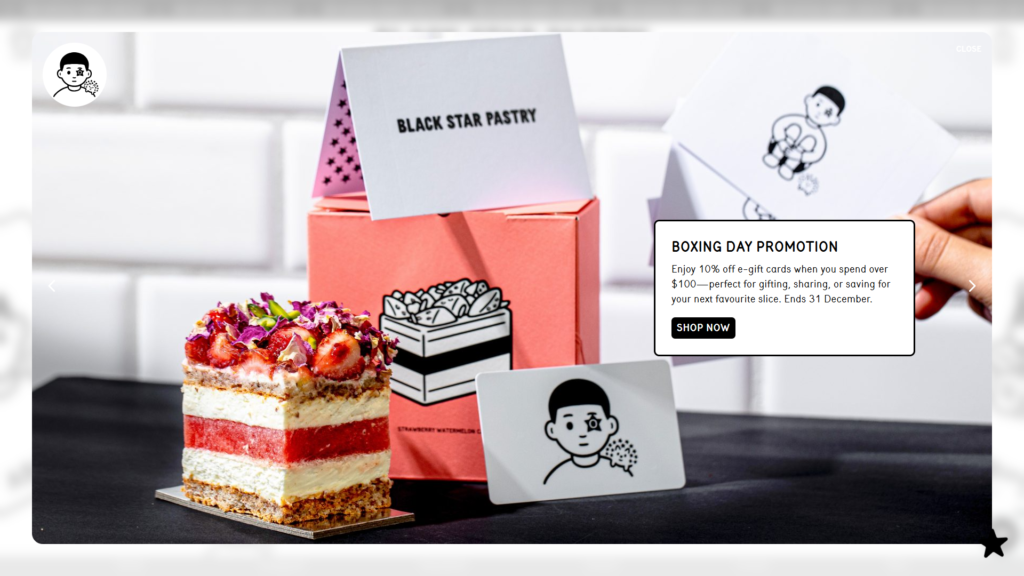
Black Star Pastry transforms traditional ecommerce with a playfully designed digital storefront that feels more like a game than a typical online shop. The website embraces a whimsical aesthetic featuring soft rounded edges, playful typography, and charming iconography throughout.
What sets this store apart is its innovative card-based navigation system. Instead of conventional menus, customers browse through interactive cards by dragging their cursor or using directional arrows—creating an engaging, tactile experience. The interactivity extends to the Locations and About Us sections, where visitors can physically move text and images around the screen.
Product photography adopts an artistic approach, with highly saturated, illustration-style images that pop dramatically against minimal black-and-white backgrounds. This gamified design strategy proves that ecommerce doesn’t have to be static—it can be an adventure that captivates customers from their first click.
24. Bite Toothpaste Bits
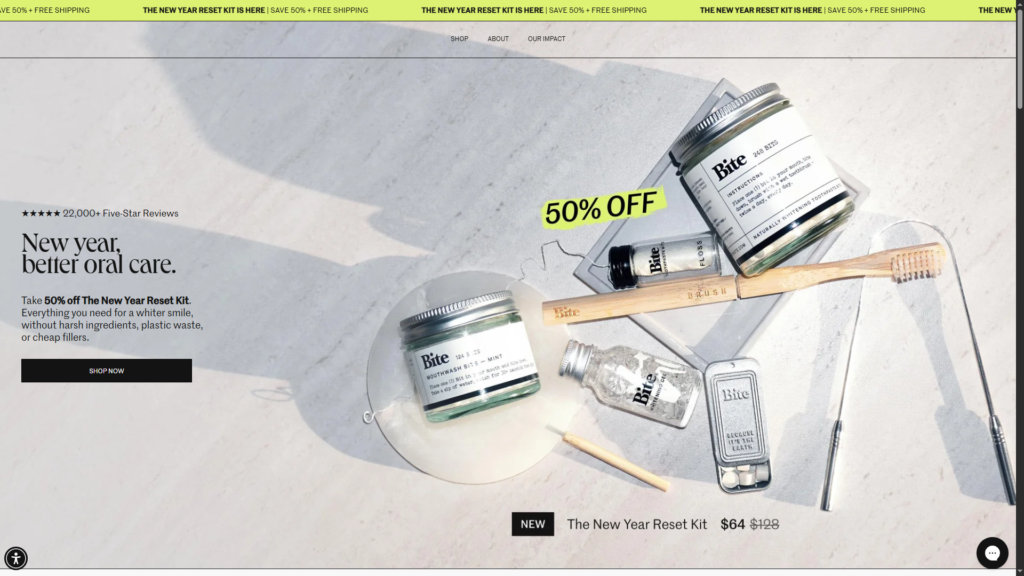
Bite’s eCommerce platform demonstrates how design and purpose can work together seamlessly. Their homepage immediately captures attention while showcasing their commitment to environmental responsibility—a value woven throughout the entire shopping experience.
The site excels through thoughtful details. A discreet chatbox icon subtly shifts colors, inviting conversation without disrupting browsing. Product photography is exceptionally crisp and bright, creating striking contrast against gentle pastel backgrounds that reinforce the brand’s aesthetic.
Most importantly, Bite consistently reinforces sustainability messaging across testimonials and headings, strengthening brand identity at every touchpoint.
The lesson here is clear: successful online stores don’t just sell products—they communicate values. When your website authentically reflects what your company stands for, you naturally attract customers who share those beliefs, creating meaningful connections beyond transactions.
25. Make Architects

Make Architects demonstrates how service-based businesses can leverage compelling web design to attract clients globally. Rather than operating as a conventional online store, this architectural firm transforms its website into a powerful sales tool through strategic visual storytelling.
The homepage immediately captivates visitors with dynamic background videos that create motion and energy. Large, high-resolution images of completed projects eliminate the need for zooming, offering viewers an immersive experience from the first glance. Overlaid text communicates the firm’s value proposition and heritage succinctly.
What truly distinguishes Make Architects is their transparency. They reveal complete project journeys through sketches, videos, photographs, and comprehensive descriptions. This step-by-step documentation allows potential clients to witness the creative process firsthand.
The lesson? Businesses that showcase their behind-the-scenes work build credibility and trust. By revealing how ideas transform into reality, companies strengthen their brand identity while giving customers confidence in their expertise and capabilities.
8 Essential Ecommerce Website Design Tips
Your online store represents your business identity in the digital marketplace. Whether launching your first venture or expanding an existing enterprise, thoughtful design principles matter significantly.
Effective ecommerce platforms prioritize simplicity and accessibility. Focus on creating intuitive navigation that welcomes customers rather than overwhelming them. Clean layouts, responsive functionality across devices, and cohesive visual elements aligned with your brand identity form the foundation of conversion-friendly design that drives sales.
1. Simple and User-Friendly Design
When building an ecommerce website, prioritize simplicity to boost your sales. Excessive graphics, banner advertisements, and multiple popups create unnecessary distractions that push potential buyers away from completing their purchases.
Think like your customer while designing. Can they locate products within one or two clicks? Is your navigation menu visible and intuitive? These questions matter because complicated journeys lead to abandoned carts.
Focus on clean typography, cohesive color palettes, and organized product categories. Modern ecommerce platforms provide ready-made templates that maintain this streamlined approach, helping you present products clearly while guiding customers smoothly toward checkout.
2. Consistent Branding Across Your Site
Whether selling services or products online, customers gravitate toward businesses they recognize and trust. Invest effort in discovering your unique value proposition and what sets you apart in your market. Once identified, weave these distinctive elements throughout every page of your website for maximum impact.
3. Mobile-Friendly and Fast Website
Today’s ecommerce landscape demands a website that performs flawlessly on mobile devices. With smartphones becoming the primary internet access point for many consumers, particularly Gen Z shoppers, neglecting mobile optimization means sacrificing potential revenue.
A mobile-friendly site must automatically adapt to various screen sizes while preserving visual appeal and functionality. Every element—from product images to navigation menus and checkout processes—should work seamlessly across devices. When customers encounter a clunky mobile experience, they won’t hesitate to abandon your store for a competitor’s.
Speed is equally critical to success. Research shows that if your website takes more than 3 seconds to load, you risk losing 40% of your visitors before they even browse your products. Slow loading times create negative impressions that extend beyond your website to your brand itself.
Achieving optimal speed requires strategic design choices. Embrace minimalism by removing unnecessary interactive elements and excessive text blocks that bog down performance. Pay attention to image optimization—while visual quality matters, choosing efficient file formats makes the difference. High-quality JPG images deliver excellent web display without the hefty load times associated with larger PNG files.
Your mobile experience and loading speed directly impact your bottom line, making them essential investments rather than optional enhancements.
4. High-Quality Product Images
Professional product photography is essential for any successful online store. Studies demonstrate that quality images can boost your conversion rates by as much as 40%, making them one of your most powerful selling tools.
Customers need to see exactly what they’re purchasing before committing to buy. Offering multiple viewing options like various angles, 360-degree rotations, and even 3D or augmented reality features helps build confidence and trust in your products. These detailed visual experiences give shoppers the closest thing to an in-store examination.
Beyond individual product shots, consider how color influences purchasing decisions. Different colors trigger specific emotional responses in viewers. Blues often create feelings of reliability, while reds convey energy and urgency. Your background colors and button shades can subtly guide customers toward making a purchase.
Combining striking imagery with thoughtful color choices creates a shopping environment that both attracts attention and encourages action, ultimately turning browsers into buyers.
5. User-Focused Website Design
Consider your customer’s perspective when building your online store. Is your site easy to browse? Does shopping feel enjoyable? Can buyers complete purchases smoothly?
Understanding what customers need is essential. Design every element with their experience in mind. A well-planned website turns visitors into loyal buyers and grows your business.
6. Highlight Your Best Products
When designing your ecommerce site, strategic product placement can significantly boost your sales. The key is identifying and showcasing your top performers where visitors will see them first.
But what makes a product your “best”? Don’t rely solely on total sales numbers, as these can be misleading. A product might have high sales simply because it’s been available longer or carries a higher price tag, not because customers genuinely love it.
Instead, consider customer satisfaction as your guide. Products with excellent reviews often indicate genuine quality and customer approval. These are the items worth promoting most prominently on your homepage.
Once you’ve identified your star products, make them impossible to miss. Use eye-catching colors to draw attention, or increase the size of product images to create visual hierarchy. These simple design tweaks help guide visitors toward your most beloved offerings.
The logic is straightforward: when shoppers encounter your best-reviewed, most-loved products first, they’re more likely to make a purchase. By strategically highlighting these winners, you create a smoother path to conversion and ultimately drive more revenue for your business.
7. Use Reviews and Testimonials
Building trust is essential for ecommerce success. When potential buyers research products, they immediately look for customer feedback. What did others think? How was their overall experience? This information heavily influences purchasing decisions.
Implement a star-rating system on your website and encourage honest customer reviews. Multiple 4 and 5-star ratings significantly boost credibility. In fact, 49% of customers trust reviews as much as recommendations from friends and family.
Display testimonials prominently throughout your site—on blog pages, checkout pages, or homepage. Include customer photos when possible, as real faces build more trust than generic avatars.
Consider adding an FAQ page addressing common questions, and perhaps create a community forum where experienced customers can help newcomers.
8. Easy and Smooth Checkout Process
Creating a successful online store goes beyond having an attractive website. The real challenge lies in converting browsers into buyers, and that happens at checkout.
Think about it: customers have already decided what they want to buy. They’ve added products to their cart and are ready to complete the purchase. This is where many ecommerce businesses lose sales. A complicated or confusing checkout process can send potential customers running to competitors.
Make Your Shopping Cart Visible
In physical stores, shoppers can glance at their cart anytime. Online shopping should work the same way. When customers click “add to cart,” they need immediate confirmation. Let them easily review their selected items with clear product descriptions and images before proceeding to payment.
Simplify the Checkout Experience
Nobody enjoys filling out endless forms. Keep your checkout page minimal by requesting only essential information. Allow guest checkout so customers don’t have to create accounts. Label each field clearly so there’s no confusion about what information you need.
Accept Multiple Payment Options
Different customers prefer different payment methods. Offering various options like PayPal, Stripe, Amazon Pay, and Shop Pay reduces the chances of cart abandonment. When shoppers can’t use their preferred payment method, they’ll simply leave your site.
Be Transparent About Costs
Nothing frustrates customers more than surprise fees at the final step. Display shipping costs, taxes, and additional charges early in the process. Show all available shipping options with their prices upfront.
Also, clearly state your return and refund policies during checkout. This builds trust and gives customers confidence in their purchase decision.
Build Customer Confidence
Explain why you need certain information and how you’ll protect it. A secure, transparent checkout process reassures customers that their personal and payment details are safe.
Remember: you’ve worked hard to bring customers to your site. Don’t lose them at the finish line with a frustrating checkout experience.
Conclusion
Building a successful ecommerce website in 2026 requires balancing creative design with practical functionality. Your digital storefront must make strong first impressions within milliseconds while delivering seamless mobile experiences and intuitive navigation. Focus on creating a user-friendly buying journey with secure checkout processes that build customer trust. Unlike selling on generic marketplaces, your own ecommerce site allows complete control over branding and personalization. By combining consistent visual identity with clear navigation and mobile responsiveness, you’ll create memorable shopping experiences that convert visitors into loyal customers.